 Tuesday, February 17, 2026
Introduction:
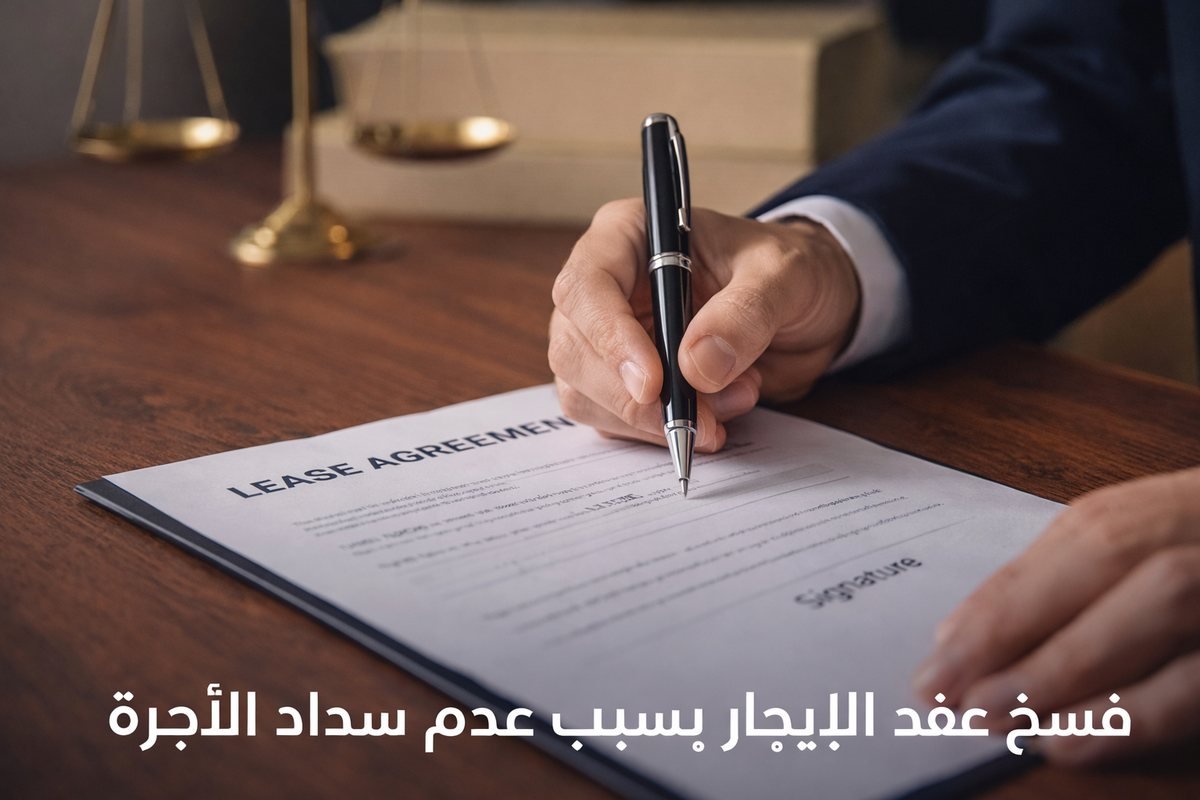
Late rent payment is one of the most common causes of real estate disputes in Saudi Arabia—especially in residential and commercial leases. The key question is: when does non-payment amount to a “material breach” that can justify termination, and when might a court view it as a minor breach?
When can you seek lease termination?
Termination generally requires a breach that affects the essence of the agreement. However, Saudi law sets an important safeguard: a court may refuse termination if the breach is minor relative to the obligation at issue. This assessment is case-specific and depends on the impact of the breach on the contract’s purpose.
Practical steps before filing a claim:
Before going to court, these steps can strengthen your position:
- Review the lease carefully (payment dates, grace period, notices, termination clause).
- Document the arrears (a clear schedule + proof of due amounts).
- Send a formal notice demanding payment within a defined timeframe.
- Attempt a written settlement if your priority is recovery rather than eviction.
- Prepare your evidence file (lease, non-payment proof, communications).
Common court requests:
Depending on the case, common claims include:
- Lease termination
- Eviction and handover (where applicable)
- Payment of outstanding rent
- Compensation if legally justified
Legal effects of termination:
The law provides that, upon termination, parties generally return to their pre-contract position, and if that’s not possible the court may award compensation. For time-based contracts like leases, termination is not retroactive, and compensation may be awarded if warranted.
Disclaimer:
This article is general information, not legal advice for a specific case.